The Brain
The brain is a 3-pound organ made up of billions of neurons that communicate through electrical and chemical signals. It contains many different specialized regions, each playing a role in processing and/or storing memories.
Brain Structures Involved in Memory
Hippocampus
Responsible for turning short-term memories into long-term ones and plays a critical role in spatial memory i.e. remembering directions to get home. Lacking a hippocampus would prevent you from creating new memories like Lucy in the movie 50 First Dates.


Amygdala
The amygdala associates your memories with emotion. This almond-shaped structure helps you remember experiences that made you feel emotions like fear, joy, anger, or excitement. Emotional content helps strengthen memory encoding.

Prefrontal Cortex
Located in the frontal lobe, the prefrontal cortex helps with working memory—extremely short term memory. It allows you to hold information temporarily and plays a role in attention, decision-making, and planning.

Cerebellum
The cerebellum mostly contributes to controlling balance and coordination, but it also responsible for procedural memory—the kind you use when naturally doing things like knowing how to ride a bike.

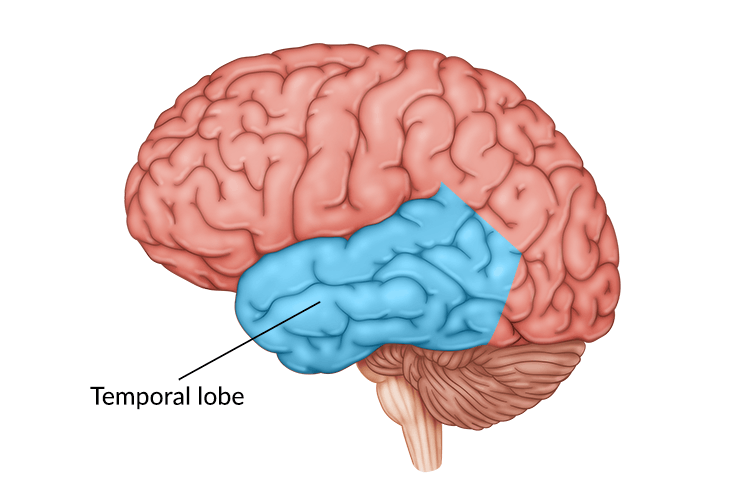
Temporal Lobe
The temporal lobe helps store and retrieve long-term declarative memories—facts and events you can consciously recall. It also processes auditory information, which helps you remember sounds and language.
Memory Formation
Different parts of the brain handle each stage of memory formation.
Memory formation happens in three main stages:
Encoding – Taking in information
Storage – Keeping that information over time
Retrieval – Accessing the information when needed
Role of Sleep
The brain strengthens your memories during deep sleep–your hippocampus replays the day’s experiences, helping transfer them into long-term memory.


No comments:
Post a Comment